ReLocavore: Redefining "local"

Back to Wisconsin, my cheesehead friends


3 Comments

I said 9 dozen, not 9 ears…

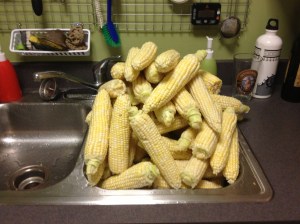
The guy at the farmer’s market did a double-take when I asked him for 9 dozen ears of corn. He though I had asked for 9 ears of corn. And at $6-9 PER DOZEN I was rethinking my decision and checking the amount of cash I had in my wallet for this venture. The prices were the same inflated, yuppie-priced, markup flimflam that I’ve come to expect at our farmer’s market. I’m used to paying Wisconsin Fertile Farmland prices of $1-2 per dozen ears – and typically getting a baker’s dozen (13) for that price. No wonder some people believe that eating locally is financially unachievable for everybody. He was the lowest price at the market at $6/doz, but I talked the guy down to $5/doz… Still too pricy…

I’m not much of a fan of canned corn – I’d much rather have it frozen. I tried canned corn a few years back and the end product turned starchy and mushy. It was more like creamed corn than canned. Plus, frozen corn turns into 6″ x 6″ x 1″ building blocks that we use to make dividers in our chest freezer. We can keep the layers more distinct and keep the fruits and vegetables separate.

I follow the process that my mom taught me a few years back:

Husk the corn.

1.

Husk the corn. Tip: Husk the corn outside. Neither mops nor vacuum cleaners are good at picking up corn silks.

 Wash the corn and cut off any bad spots.

2.

Wash the corn and cut off any bad spots.

Cut the kernels from the cob.

3.

I prefer to cut the kernels from the cob rather than using any of those special corn cutters. I find a sharp knife makes the least amount of mess and splatter. Corn cutters aren’t usually as sharp and spray kernels everywhere. Plus, if you have a cob that is curved, corn cutters won’t work at all. Cut the kernels from the cob. Tip: Find a bowl with a footed base – a deep lip on the bottom of the bowl used to keep the bowl upright. Turn the footed bowl upside down in your Big Damn Bowl and use the foot to hold onto the ear of corn while you cut. It stablilzes the bottom of the ear of corn allowing you to cut all the way down to the bottom of the ear of corn without hitting the bottom of the bowl.

Saute the kernels with butter.

4.

In a nonstick skillet, saute 1 tbsp of butter with 2 cups of kernels on medium-high heat for about 3 minutes or until the kernels turn darker yellow and smell really good. Add a big pinch of salt if you’d like. Vegans: use vegetable oil instead of vegan butter spread. I tried it one year with the vegan butter spread and it left a harsh chemical taste in the corn.

5.

After sauteeing the corn, let it cool for a few minutes, so you don’t melt the plastic zipper bags. While you’re waiting for the batch to cool, sautee the next batch and label your plastic zipper bag.

Load into labeled zipper bags.

6.

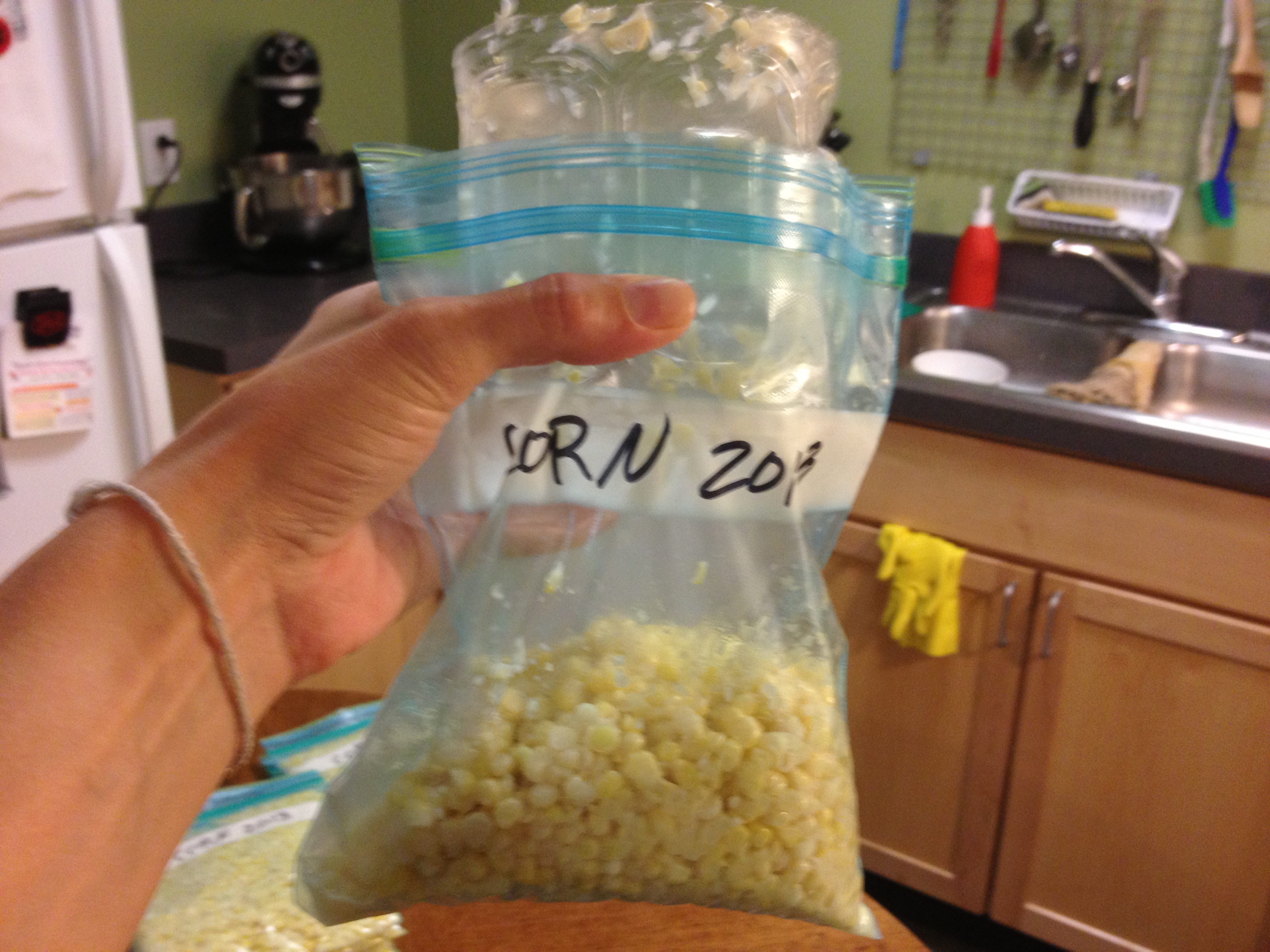
Load 2 cups of cooked kernels into a plastic zipper bag. Use your bag filler. Spread the kernels evenly through the bag and press out the air.

2013-08-18 11.47.40

7.

Stack the bags into a box or cake pan so they will freeze flat. Freeze.

Homemade Sauerkraut

6 Comments

I love to make homemade sauerkraut. It tastes better than the stuff from the jar. This video shows you how to make sauerkraut without needing an expensive pickling crock.

If any of y’all wins the lottery, can you buy me a pickling crock? I’ll pay you back in pickled vegetables.


9 Comments

This Week in Veg: No Lettuce!

So this week marks an important transition between spring and summer. We didn’t get any lettuce in our CSA box this week. We also didn’t get any tomatoes in our CSA box. This is very disappointing. What it means is there’s no period of time when the tomatoes overlap with the lettuce allowing us to eat BLT sandwiches. I love BLTs. There is no sandwich, save a simple sandwich made with tomato and mayonnaise, that even rivals the BLT in my opinion.

I guess I’m going to have to get up tomorrow and go to the farmers market. Buy some tomatoes, and a head of lettuce, so we can eat BLTs at least once this year.

20130809-173901.jpg


Leave a comment

Cucurbit Fruit Salad

Fun Fact!
Both cucumbers and cantaloupes are fruits in the cucurbit family.

Two of my favorite summer vegetables are cucumbers and cantaloupe. They are a fleeting addition to my diet. I tried canning spiced melon balls and they were mushy and disgusting. Each year, I will make one jar of refrigerator cucumber pickles, but I don’t like the texture of home-canned pickles. From July through late August, I probably eat half a cucumber and a few slices of cantaloupe every day. By September, they’re not a part of my diet, and in June, I crave a cucumber on the first hot, sunny day of the summer.

This salad comes together quickly and can get soggy if let to sit. After cutting the fruits (Yes, cucumbers are fruits…), I assemble this salad in a colander set in a bowl, and use some of the juices to toss with a simple dressing.

Cantaloupe Cucumber Salad

  • 1 medium cucumber
  • 1/4 of a cantaloupe or muskmellon
  • pinch of salt
  • 1 tsp rice wine vinegar
  1. Peel and seed the cucumber. Cut into matchsticks or julienne using a mandoline.
  2. Cut away the rind of the muskmelon. Cut into matchsticks or julienne using a mandoline. You should have about equal parts of cantaloupe and cucumber.
  3. Sprinkle the vegetables with a pinch of salt and toss in a colander set over a bowl. Allow to drain 15-20 minutes. Gently squeeze the vegetables to get the last liquid out.
  4. Mix 1 tablespoon of the drained liquid with rice wine vinegar to make a mild dressing. Toss with the vegetables and serve.


Afterthought: All this time, I was misspelling it “cantelope.”

What to Do With 50 Pounds of Stone Fruit: A Photo Gallery

2 Comments

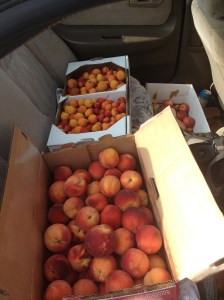
We stopped at the Apple Bin Farm Market on the way home from visiting Sam’s grandmother in New York state. They had ripe apricots and peaches. We left with a full carload. So… What can you make from 50 pounds of stone fruit? Click on an image to read more about what me made.

This gallery contains 9 photos


2 Comments

Blackberry Financiers

(Hand-foraged) Blackberry Financiers. They're "rich." Get it?

(Hand-foraged) Blackberry Financiers. They’re “rich.” Get it?

Yesterday, I went on a hike with Pidi and was fortunate to come upon ripe blackberries. Usually, if I encounter ripe berries on a hike, they go straight from the bush to my lips. But I exercised a bit of self-control (only after I ate a whole bunch of them, standing in the woods…) and brought back home a heaping cupful of ripe, sweet fruits. I was going to freeze them and eventually make some wild-foraged berry jam, but Sam had the fantastic idea of making Financiers.

I got this recipe from Ripe for Dessert by David Lebowitz. For the longest time I couldn’t understand WHY they were called Financiers…

Blackberry Financiers

  • 7 tablespoon unsalted butter
  • 1 3⁄4 cup sliced blanched almonds
  • 1⁄2 cup granulated sugar
  • 1⁄2 cup powdered sugar
  • 5 tablespoon flour
  • 1⁄8 teaspoon salt
  • 4 large egg whites
  • 1⁄2 teaspoon almond extract
  • 6 ounce blackberries (or raspberries or blueberries)
  1. Position the oven rack in the center of the oven and preheat the oven to 400 degrees. Butter a 12 cup muffin tin.
  2. In a skillet, heat the butter until it begins to sizzle. Continue to cook over low heat until the edges begin to darken and the butter gives off a nutty aroma. Remove from heat.
  3. In a food processor, grind the almonds with the granulated and powdered sugars, the flour, and salt. While the processor is running, gradually pour in the egg whites and add the almond extract. Stop the machine, and add the warm butter, pulsing as you pour, until the batter is just mixed.
  4. Divide the batter evenly among the buttered muffin cups and poke 3 or 4 berries into each cake. Bake for 18 minutes, until puffy and deep golden brown. Let stand a few minutes them remove them from the pan to cool on a rack.


4 Comments

Foraging Fail- These are not the currants you are looking for…

Mink Brook

Mink Brook

Pidi and I took in the beautiful Summer weather by hiking into Hanover along Mink Brook Trail to have coffee at Umplebys. It takes us about an hour to walk there and the walk is very pleasant along the bubbling Mink Brook.

Berries

Berries of an unknown origin

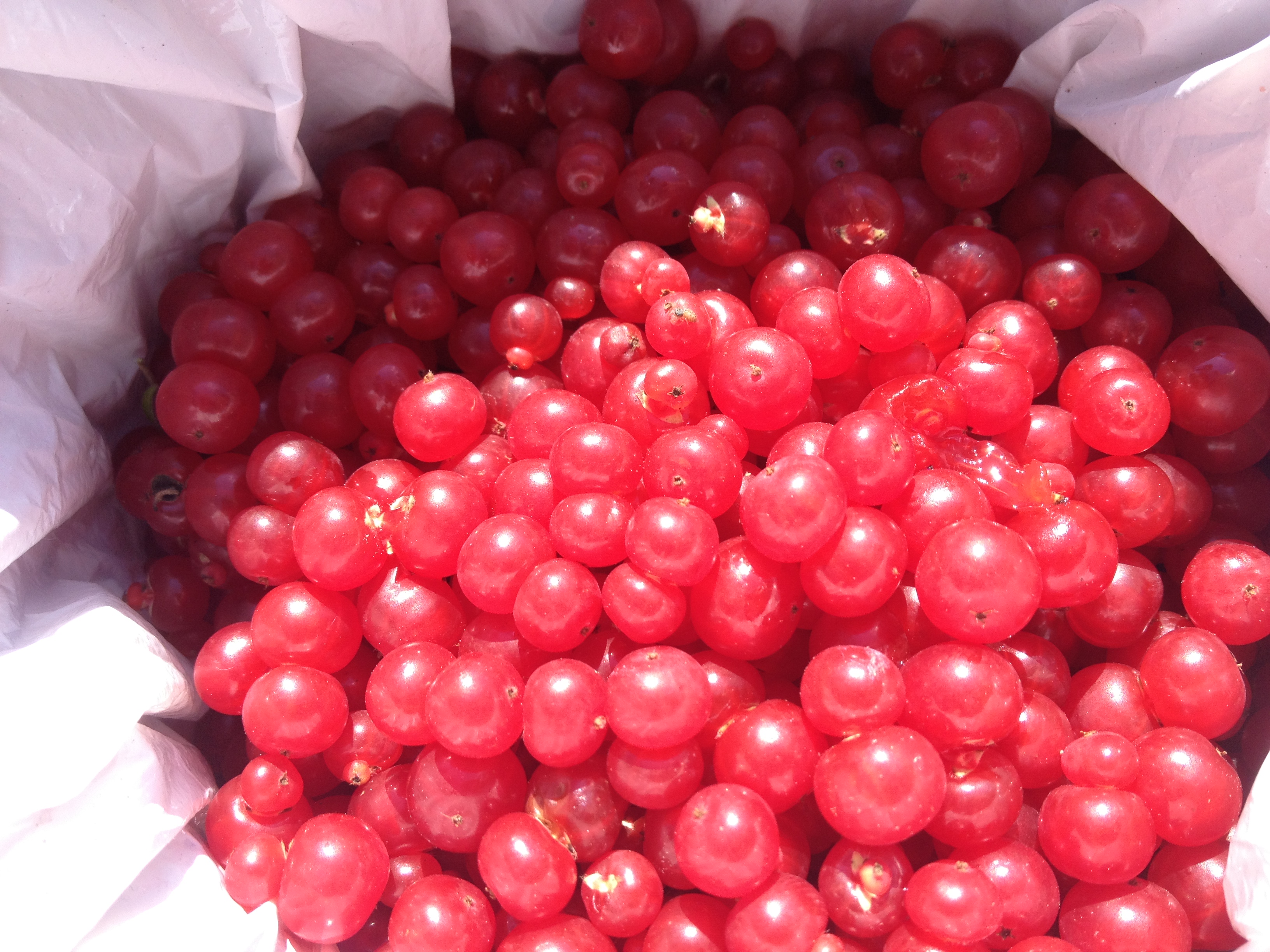
On the way out of town, I noticed some berries and stopped on our way back home to pick what I thought were red currants. If we were in Wisconsin, they likely would be currants, but, TotoPidi, I’m afraid we’re not in Kansas anymore. I took a taste of a few berries and they had the sourness of currants, but also a little bit of bitterness. I picked about two cups into Pidi’s hiking water dish and finished the walk home.

The Foraginging Goddess (God?) must have been smiling on me, because I walked past a bush of ripe blackberries too! I was able to pick a big cup of blackberries, or blackcaps. Beautifully black and sweet. I strode home with a big F of my chest for Forager!

Getting home, the niggling doubt started to eek away at my confidence. Believing myself to be a saavy forager, I turned to the Interwebs for guidance… what were these little berries I had picked? They came from a short (6′) shrub with almond-shaped leaves. The berries grew in pairs along the base of the leaves. They were abundant and ripe in mid-June in New Hampshire.

Winterberries. They were stupid winterberries. Completely inedible due to theobromines, chemicals related to caffeine, found concentrated in the seeds. I had picked compost fodder. Bah. And they were making my stomach upset.

But, unwilling to admit defeat, I did turn the blackberries into some damn good Blackberry Financiers. They’re “rich.” Get it? Look for a recipe tomorrow.


2 Comments

This week in veg: cucumbers!

This week we finally got some cucumbers and the CSA box. I am so excited! I’ve been looking forward to eating cold cucumbers and the middle of all of this heat. Something about them really does make me feel cooler.
20130712-153027.jpg
1. Cucumbers
2. Yellow beets
3. Fennel
4 zucchini
5. Lettuce
6. Cilantro
7. More lettuce
8. Green onions
9. Carrots

Squeaky Cheese Curds. Mystery Solved!

2 Comments

Fresh cheese curds are squeaky.

You didn’t know that? Yeah, neither did I, until I had the squeakyness explained…

Thanks to Joe Dobosy and Mich Minoura for explaining squeaky cheese curds, to Hook’s Creamery for jalapino cheese curds, and to Carl Geissbuhler of Brunkow Cheese for explaining why cheese curds are squeaky.

ReLocavore at the Dane County Farmer’s Market

Leave a comment

For your viewing pleasure, I shot and edited some video of the Dane County Farmer’s Market (DCFM) while we were at our vacation in Madison. I wanted to give everybody a sense of what an insanely huge Farmer’s Market goes on every Saturday in Madison.

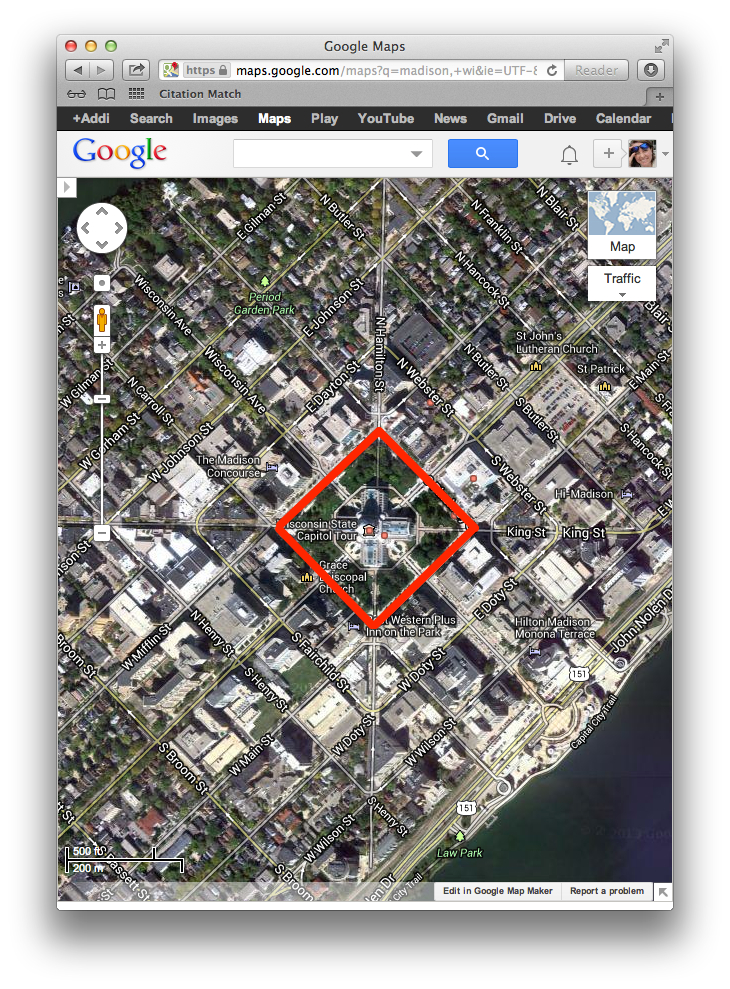
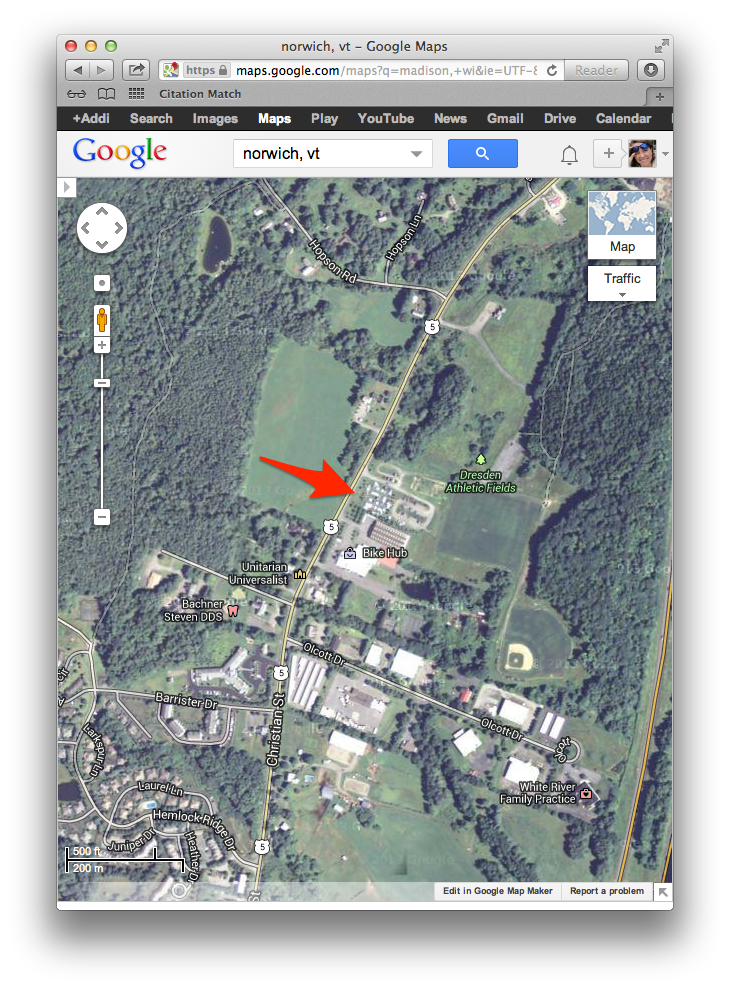
For size comparison, I’ve taken two Google Map images of the permanent site of the Norwich Farmer’s Market, our regular market here in Vermont, and an image of the DCFM, highlighting in red the streets that are lined with vendors.

Dane County Farmer's Market takes up 8 city blocks around the Capitol Square in Madison.

Dane County Farmer’s Market takes up 8 city blocks around the Capitol Square in Madison.

The Norwich Farmer's Market occupies a permanent space.

The Norwich Farmer’s Market occupies a permanent space.