ReLocavore: Redefining "local"

Back to Wisconsin, my cheesehead friends


Leave a comment

Boloco Tiki Masala Burrito. Not local but v. good

By accident Sam and I ended up in downtown Hanover with a serious need for calories and no functional kitchen with which to conjure them up ourselves. (Abracadabra! A Sandwich!)

Boloco is a burrito/wrap company with locations in New England. They make standard Ameri-Mex fare, plus some other v innovative foodstuffs. Burritos come in Regular, Small and Mini. I ordered a spattering of mini burritos, Ameri-Mex, BBQ pork and slaw, teriyaki. And a Tiki Masala Burrito.

I have found a tiny slice of food heaven. Tiki Masala Burrito. Chicken (or tofu. silly vegans), with brown rice and masala sauce. According to their ingredients list, Masala Sauce is, “Butter, Garlic, Jalapeno, Coriander, Cumin, Paprika, Garam Masala, Kosher Salt, Tomato Sauce, Heavy Cream.” It ain’t healthy, but it’s pretty darn good.


Leave a comment

Smells like Tomato Sauce.

This morning at the Norwich Farmers’ Market, we picked up ingredients to make tomato sauce. 8 lbs (ppw) of tomatoes from Ray Williams at Back Beyond Farm of Chelsea, VT, 2 onions from Luna Bleu Farm, and 2 heads of garlic from Craig at Echo Hill. I can’t can anything, since I don’t have any jars nor the extra capital to invest in jars, so we’re relying more on the freezer this fall than normal.

My typical routine is to buy boxes of tomato “seconds” – perfectly fine tomatoes that may be a little too “ugly” for the other picky clientele at the farmers’ market – and convert ugly tomatoes into quarts of shelf-stable canned tomato sauce. We have a food processor attachment for our stand mixer that can turn 8 lbs of tomatoes into puree in 10 minutes. The puree cooks in the oven over night to reduce by half. I make sauce on day 1, and can it on day 2.

This is not my typical routine. First, I’m only making sauce from 8 lbs of tomatoes. In a typical year, I would process 50 lbs. Second, I can’t can, as I said above, so I’m stuck freezing sauce. It comes out OK, but I don’t like putting the sauce into freezer bags. Either I have to handle really hot sauce in thin plastic bags, or I have to take the risk of letting the sauce cool (BACTERIA!!!) and filling the bags with cooled sauce (CONTAMINATION!).

So, the house apartment smells like cooking tomatoes. Sam points out that I’m still wearing an apron. Psah!


2 Comments

Beans and greens in the rice cooker

We’re a bit short on cooking utensils while staying at the hotel waiting to move into our new apartment. I figured I should try out some new things with our rice cooker. Sam noticed lots of local collard greens at the Norwich farmers’ market, and suggested we eat beans and greens one night for dinner.
20120916-211356.jpg

Beans and greens is good old-fashioned comfort food. Typically we cook it all day in the crock pot, but the rice cooker can act like a glorified crock pot, boiling the beans, then holding warm until its time to eat.

I soaked 1 cup of black navy beans from the COOP overnight in water. In the morning before Pidi and I went on a long hike, I assembled the following in the rice cooker:

  • Soaked beans, drained and rinsed
  • 4 cloves garlic, crushed
  • 1/4 large onion, chopped
  • 1 large bunch (8 stalks?) of tuscan kale, stemmed and chopped
  • salt
  • 3 cups of water

I put the rice cooker on the setting for cooking brown rice and hit the start button. When we got back from our hike in Boston Lot Bluffs (just across the street!), we had made the whole hotel smell great. I gave the pot a stir and left it to stay warm.

20120916-211911.jpg
When it came time for dinner, we served the beans and greens with elbow macaroni. It was a little plain and we added sriracha for some more flavor. I would have loved some ham or bacon grease to give it a little more flavor. Or, I could have cooked with stock or beer.


4 Comments

Norwich Farmers’ Market

Today we made it over to the Norwich, VT Farmers’ Market located on Rt 5 and runs Saturday Mornings from 9a-1p. We spent an hour and about $60. We came home with:

  • One braid of Shallots $13 (My indulgence)
  • 1/4 lb Welsh-style cheddar cow’s milk cheese. Cobb Hill. $4.50 (Sam’s indulgence)
  • Ingredients to make a pot of potatoes and beans for dinner tonight: green beans, potatoes, onion, garlic, carrots and corn. I’d love to have a ham hock or bit of ham to put in the pot. We’ll see what the COOP can do.
  • Ingredients to make beans and greens in the rice cooker for dinner tomorrow night. I’ll post details on that later.Read more here…
  • Ingredients to make an italian dinner one evening including tomatoes, garlic, bell peppers.
  • Some fruit: Apples and a cantelope.
  • Edamame
  • cucumber, celeriac and hakurei salad turnips

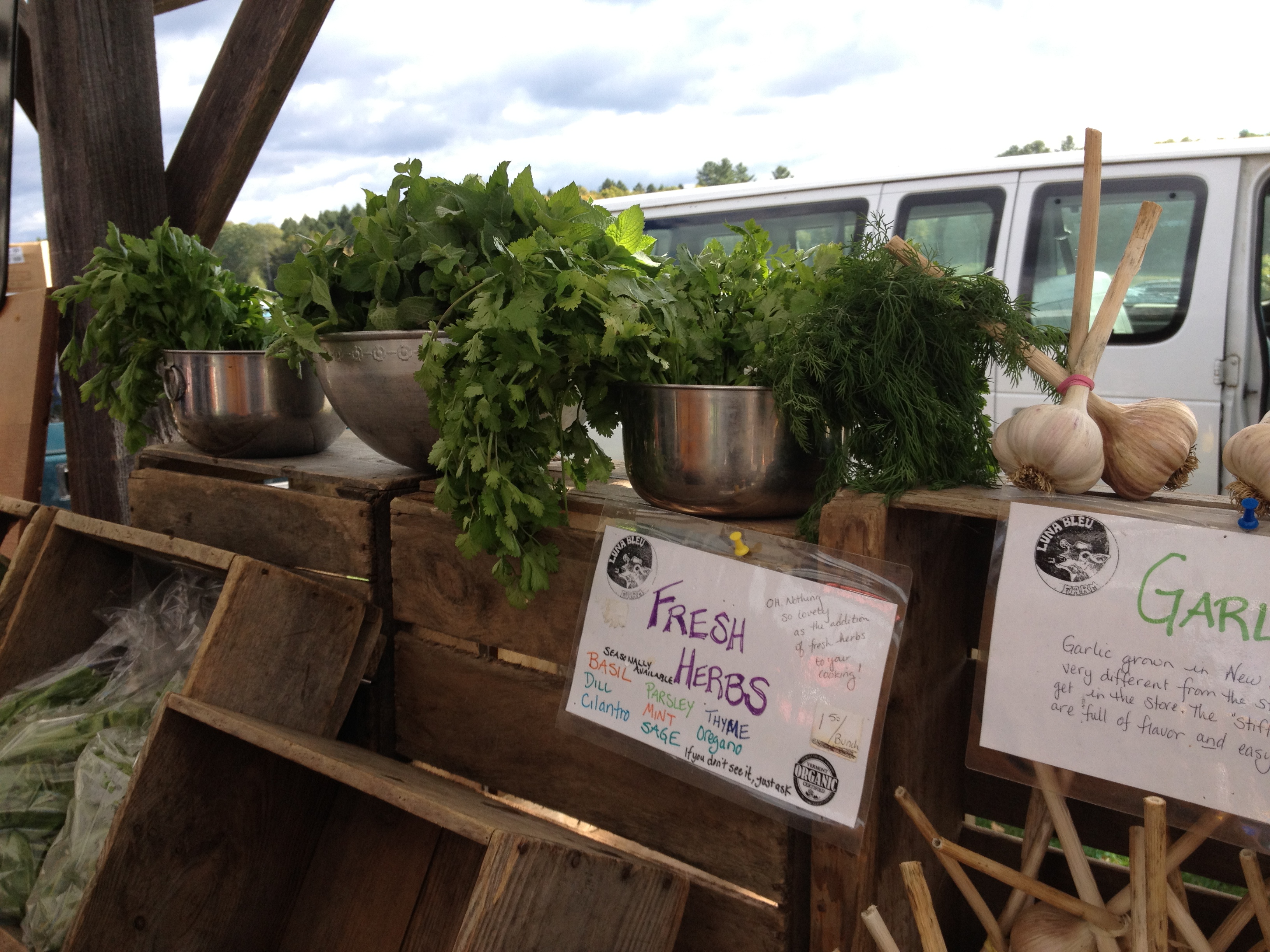
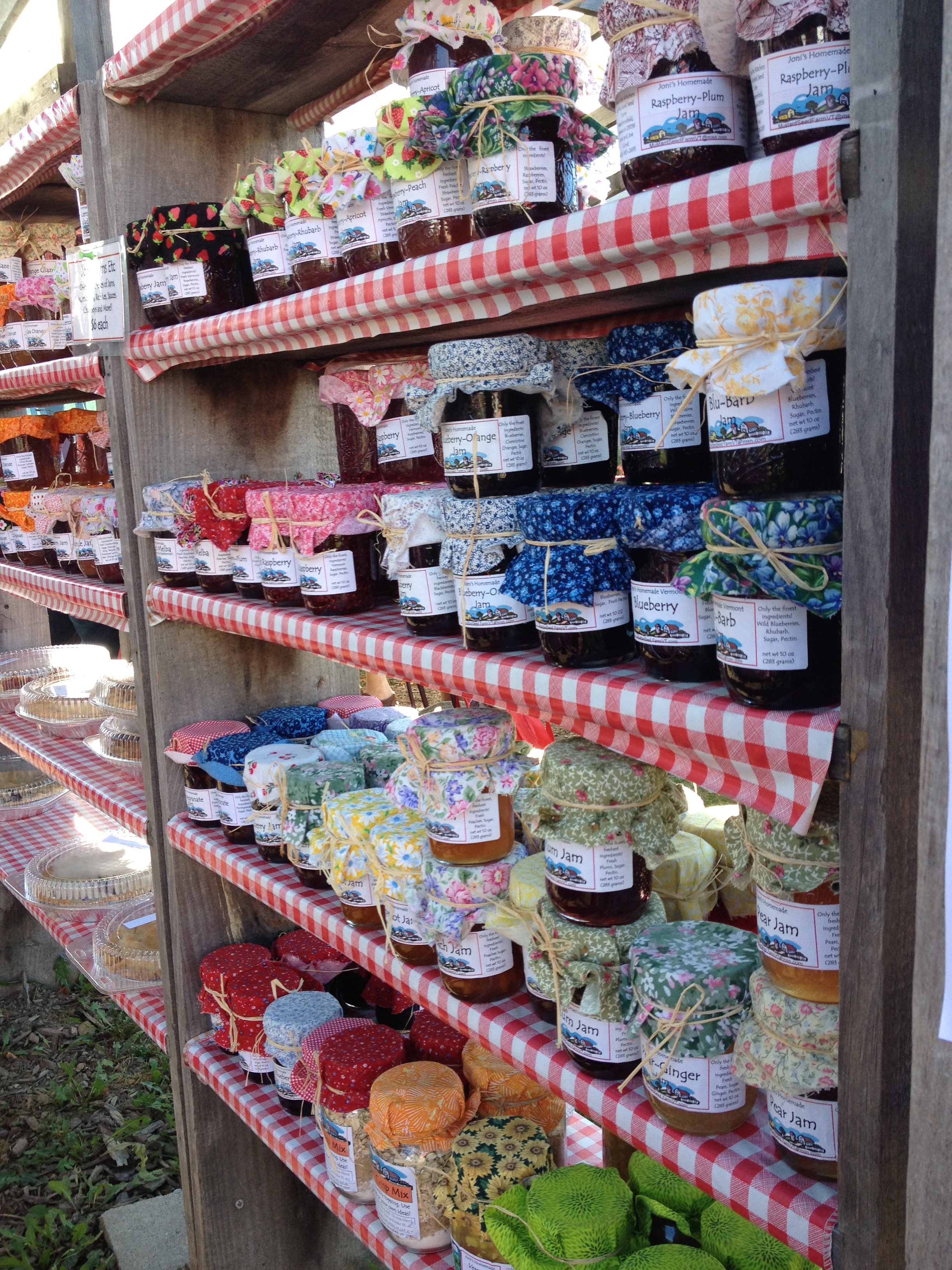
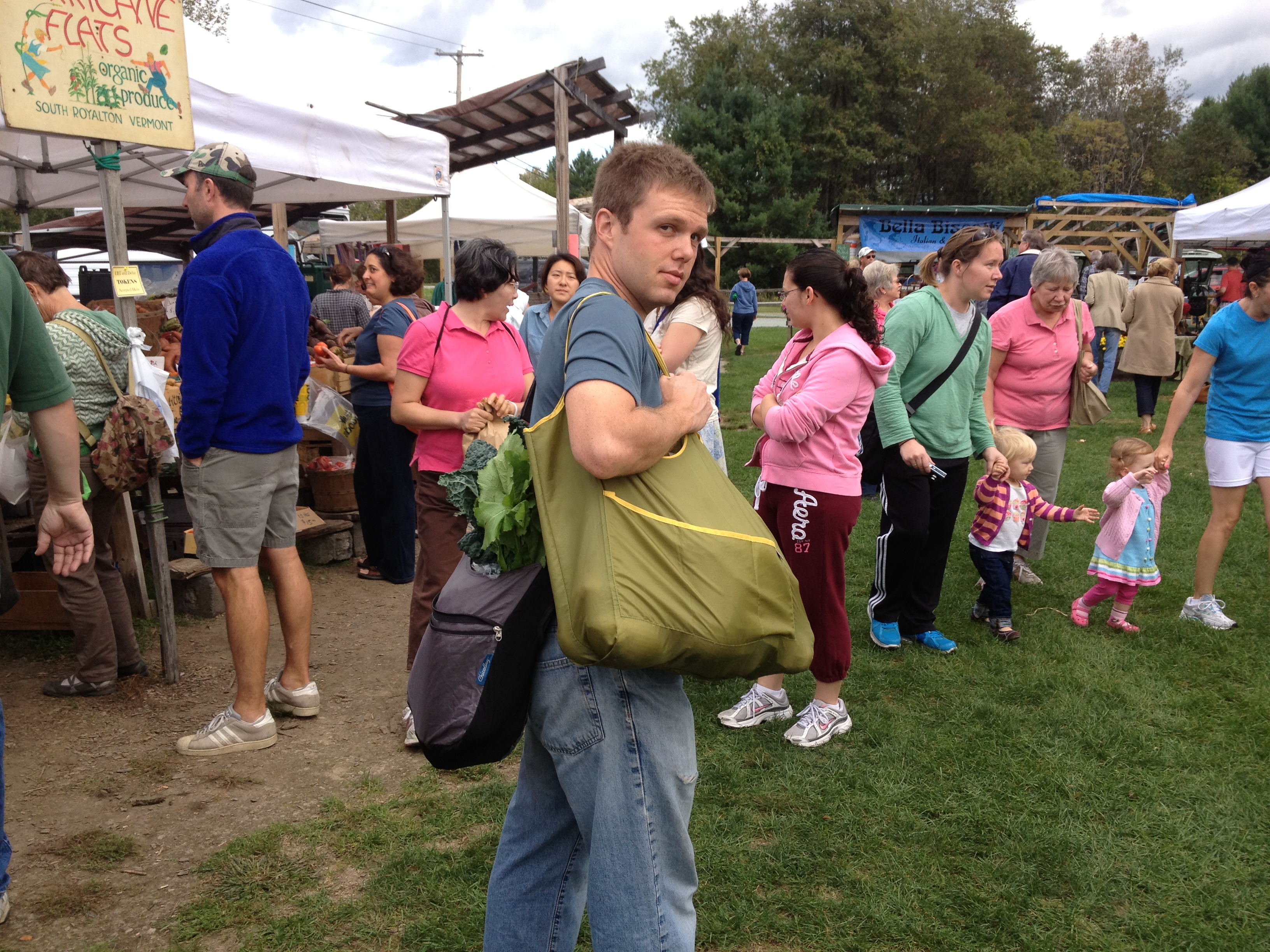
The Norwich farmers’ market is more diverse than many of the small Madison markets. There were plenty of vegetable farms, but few fruit farms. I saw lots of bakeries and jammeries (I just made that word up), plenty of good pastries. There were more herbs for sale here than at any other farmers’ market I have attended, and, in fact, there was an entire herbalist booth. It seems some of the booths are semi-permanent wooden shelters, and other booths are temporary pop-up tents. The market center is a wooden gazebo and today, since the market was celebrating its 35th year, there was a band and a raffle. 35 years is pretty impressive.

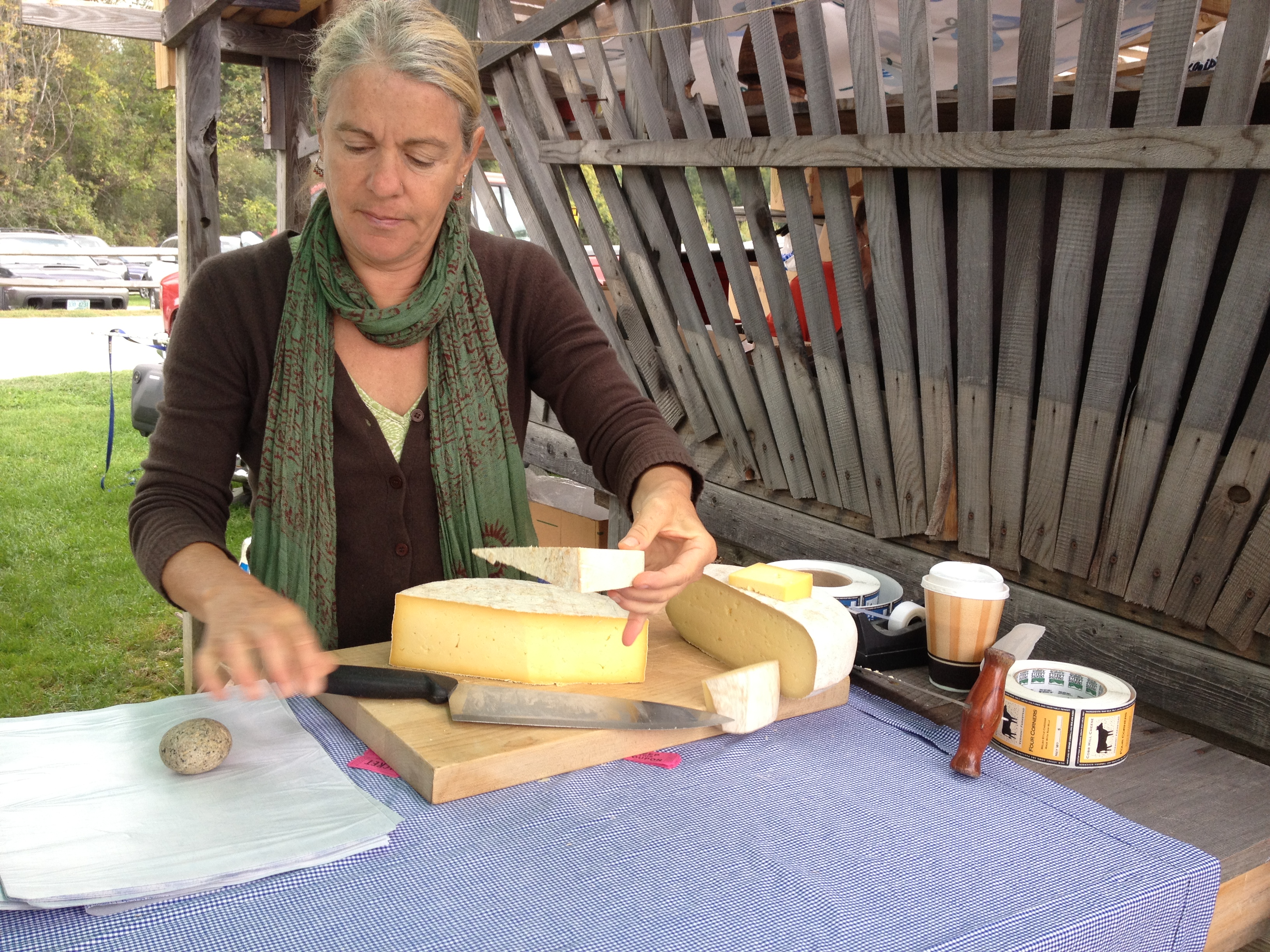
Cheese from Cobb Hill Farm, cut to order and wrapped by hand.

I’ll make better measures later, but it seems the average prices are on par with Madison’s markets. Some things, notably sweet corn, were priced a LOT higher. Sweet corn was $0.60/year or $7 for a baker’s dozen. I almost choked. Typically, I buy sweet corn at $2.50/dozen or not at all… We got two good tips on CSA availability. Suzanne at Luna Bleu Farm has chicken/egg shares and Your Farm still has fall and winter CSA shares available.

Note the sturdy wooden structures in the background.


5 Comments

COOP Food Store. Making it easier to eat locally

A label for locally grown Courtland Apples at the COOP Food Store.

Sam and I are falling for the COOP Food Store in Hanover, Lebanon and White River Junction. They have a good collection of standard groceries found around the middle of the grocery store, plus basic self-care products, soaps and cleaners, etc… They also have a wide range of prepared foods to go and a nice patio to eat lunch. We have been over there most every day since we got into Hanover.

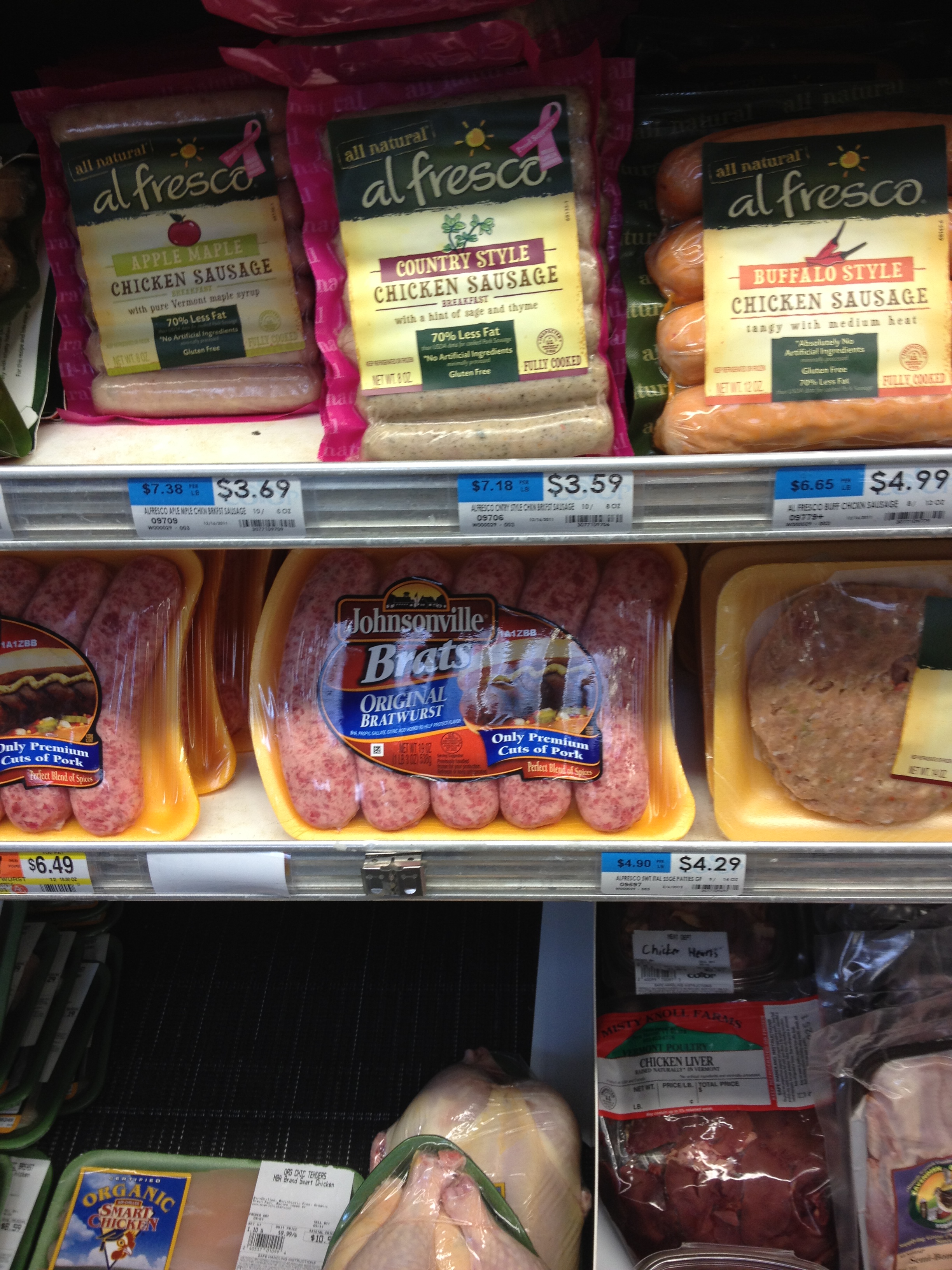
We can get brats here. We will not starve.

Having a good coop makes eating locally easier. Kudos to the COOP food store for labeling the origin on almost all of the produce and featuring local farms. I haven’t bought meat from them yet, so I don’t know how well the meats are labeled. They stock lots of local dairy too – this is VERMONT, mind you… I expect that this is the peak of the local produce season, but I was surprised at how little local fruit they have for sale. I’ll have to compare the COOP’s inventory with that of local farmer’s markets and food stands before I pass judgement.

We will certainly become members at the COOP and I’ll be able to tell you more about the advantages of membership once we join.

Of course, I’m comparing this COOP to the Willy St. Coop in Madison. Sam and I had been members for two years, ever since the new Willy West store opened. We got to know the staff and the weird quirks of their product selection. (Note: NEVER buy graham crackers at the Willy St. Coop. Every single variant is disgusting. And, avoid homemade pork sausage. It’s not fatty enough.) Navigating a new grocery is never fun, especially when I want to do a Tactical Strike. I’m left fumbling around the wine and cheeses looking for olives and pickles.  Willy St COOP has a great selection of local produce. I think they’re either better able to source, or, since Willy St is smaller than the COOP, then maybe they can buy smaller volumes from smaller farms.

Whatever will I do if I can’t find local pears to can?


3 Comments

lo·ca·vore
noun /ˈlōkəˌvôr/
locavores, plural

A person whose diet consists only or principally of locally grown or produced food.

re·lo·cate
verb /rēˈlōˌkāt/  /ˌrēlōˈkāt/
Move to a new place and establish one’s home or business there